Navigating Aging Gracefully: A Guide to Maintaining an Active Lifestyle After 40
February 2026
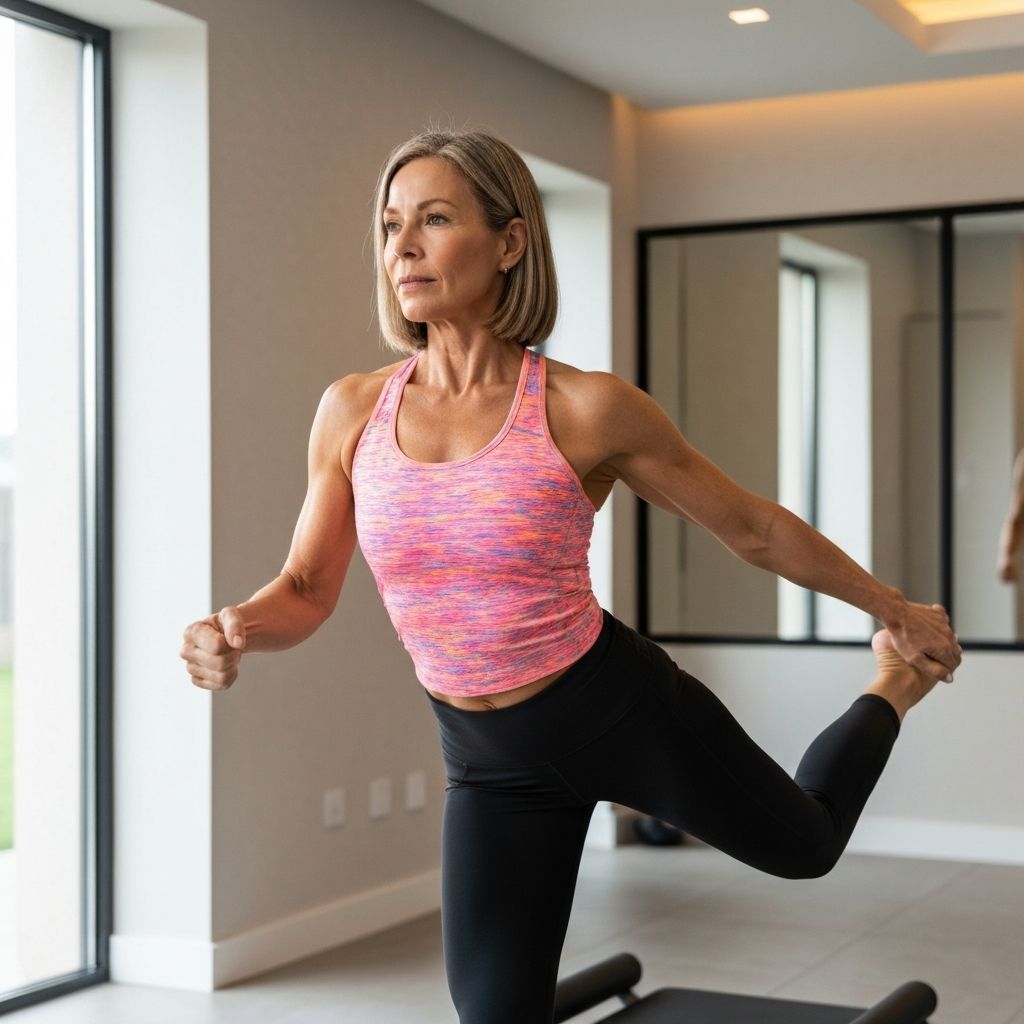
The years beyond 40 are not a period of decline, but rather an opportunity to deepen and refine approaches to health and well-being. Many people discover that maintaining or even enhancing their fitness and vitality during this phase requires a shift in perspective and approach. Rather than viewing aging as something to resist, a more productive framework involves adapting practices to support sustained activity, strength, and capability throughout these decades.
Reframing Aging and Activity
Cultural narratives often suggest that aging inevitably leads to decline in physical capacity. However, this perspective overlooks the significant agency people have in maintaining and developing their physical capabilities. People who remain active, who engage in consistent exercise, and who maintain balanced nutrition often experience remarkable resilience and capability well into their later years. The aging process itself is not incompatible with vitality—it is the lifestyle choices made during these years that largely determine the outcome.
Adapting Practices for Sustainability
One of the most important shifts after 40 is moving from approaches focused on intensity or competition toward approaches focused on sustainability and enjoyment. Activities that can be maintained consistently over many years—walking, swimming, strength training with appropriate progression, gentle yoga, dancing—often prove more valuable than intense efforts that are difficult to sustain. The goal shifts from achievement to maintenance and gradual improvement.
Recovery becomes increasingly important. Sleep quality, adequate nutrition, and appropriate rest between activities all play crucial roles. This is not a limitation—it is simply knowledge that allows for smarter approaches to maintaining fitness and capability.
Strength, Flexibility, and Balance
As we age, maintaining strength, flexibility, and balance becomes particularly important for independence and safety. Resistance activities—whether formal strength training or practical activities involving lifting and moving—help preserve muscle mass and bone density. Flexibility and stretching practices maintain range of motion and reduce stiffness. Balance work reduces fall risk and maintains confidence in movement.
An effective approach integrates all three elements. A typical week might include resistance work, aerobic activity, and flexibility practices, allowing each system to develop and maintain optimal function.
Quality of Life and Engagement
Ultimately, the goal of maintaining an active lifestyle after 40 is to support quality of life—the ability to engage in activities that bring joy and meaning, to maintain independence, and to feel capable and confident in your body. This perspective helps guide activity choices. Activities that feel enjoyable, that challenge you appropriately without overwhelming you, and that can be sustained over time tend to be the most valuable investments in long-term well-being. By viewing this phase of life as an opportunity to develop increasingly sophisticated and sustainable approaches to health and activity, you position yourself for continued vitality and engagement throughout all the years ahead.